Temperate Grasslands
 |
 |
|
|
Introduction. Temperate grasslands are composed of a rich mix of grasses and underlain by some of the world's most fertile soils. Since the development of the steel plow most have been converted to agricultural lands.
Climate: Semiarid, continental climates of the middle latitudes typically have between 10 and 20 inches of precipitation a year. Much of this falls as snow, serving as reservoir of moisture for the beginning of the growing season. Warm to hot summers are experienced, depending on latitude.
Vegetation. Perennial grasses and Leguminosae--the sunflower and pea families, respectively] are dominant growthforms.
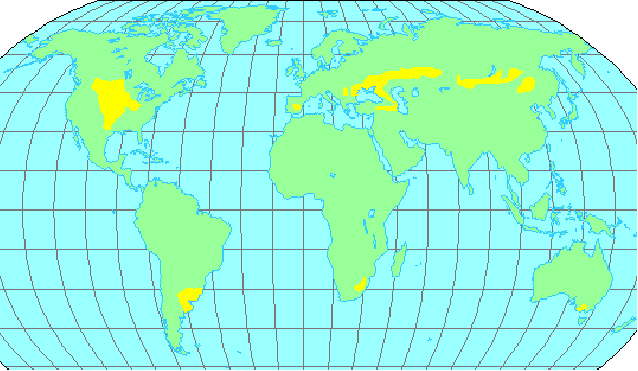
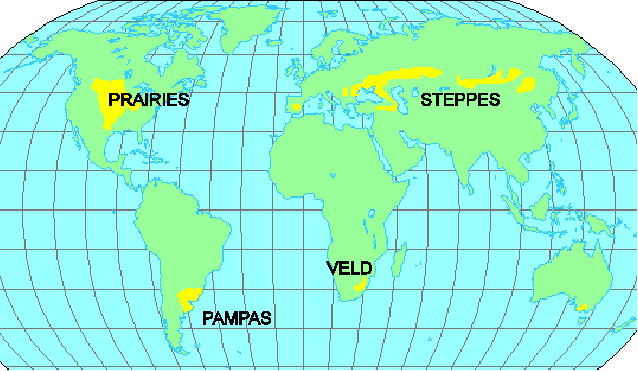
Major regional examples of this biome.
Soils. the world's most fertile soils are created,
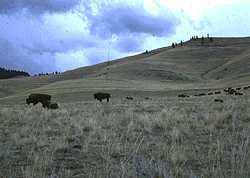
Animals. The animals of the temperate grassland is very low in diversity, especially in comparison with the tropical grasslands or savannas of Africa. In North America the dominant herbivores are bison Bison bison) and pronghorn (the sole member of the Nearctic endemic family, Antilocapridae). Rodent herbivores include the pocket gopher (another Nearctic endemic), ground squirrels, and the prairie dog. Carnivores include coyote (actually an omnivore), badger, and the federally endangered black-footed ferret, the last two members of the weasel family.
On the Russian steppes the fauna formerly included wisent (Bison bonasus), tarpan or wild horse, and saiga antelope, among others. Mole rats, fossorial members of one of the two mammal families endemic to the Palearctic, are conspicuous by virtue their many mounds. Polecats and other members of the weasel family are among the larger, extant carnivores.